

CREATE THE EVENT YOU WISH EXISTED
Jude and I are collaborating to create something I’ve been thinking about for years!

Several years ago, I came across a “peer coaching” event. It was in a church in East London and it sounded right up my street.
At the time, I was trying to learn all I could about different models of peer support. I’d been working in mental health services for 7 years and my disillusionment with the system had reached a peak.
I was lucky to find The Hearing Voices Network (HVN) early on in my career, and grateful to let their principles of respect, solidarity, reciprocity, democracy, and inclusivity guide me, even when in more mainstream and medicalised spaces. Now, in this tactical retreat from ‘the system’, I wanted to find more spaces like HVN, and better understand the history of such networks.
I did training with Intentional Peer Support, Talk 4 Health, and Open Dialogue, and I kept looking out for spaces where similar values were central (more on this quest in future posts).
This “peer coaching” event looked like it might tick all the boxes and potentially even offer something extra. The proposed group format was:
Everyone learns a coaching skill
You have the opportunity to practice that skill with each other (as both coach and coachee)
You reflect on the experience as a group
I liked the inclusive and reciprocal nature of this concept1. The idea that we would all enter with beginners’ minds and leave having both coached and been coached. It seemed to blend the frame and values of traditional peer support groups with the opportunities that come from coaching: tools for self-discovery and a focus on the future.
Unfortunately, the event that I went to didn’t follow the proposed structure. It consisted mostly of a lecture about coaching by the organiser, meaning we ran out of time to properly coach each other in pairs.
I left feeling a little sad, but also inspired to create a peer-support x coaching synthesis of my own one day.

Fast forward a few years…
I met Jude at the very first Thought Experiments in Pubs (TEiP) meetup in February 2023. We had a good chat and I learned that she was a coach (amongst many other things).
In between the first and second TEiP events I experienced a life changing tragedy. It felt like a bomb had gone off and meant I had to rethink everything. I stopped almost everything I was doing, but by some strange logic decided that I could keep doing TEiP (best decision ever).
At the second TEiP event, I let people know roughly what had happened and they were very kind and supportive. One of the people that I talked to was Jude. She shared some similar life experience, and a hug, and we kept in touch.
Several months later, once the dust had begun to settle, I realised I needed some space to start picking up the pieces, to think about how they might fit together, and discover new ways of creating pieces to fill the gaps.
I wanted to look to the future rather than the past and despite the grief, I felt fairly OK (thanks to friends, family, and some good therapy in my 20s). So I thought I’d give coaching a go.
Coaching with Jude was exactly what I needed. I looked at things with fresh eyes, learned skills that continue to be helpful to me today, and found a lot of the current direction of TEiP etc.
For me, coaching was like Kintsugi, the creative practice of putting things back together with gold. Coaching definitely helped me find some gold!
Fast forward another couple of years…to now.
Recently, as part of my contemplation of community and creative gathering, I remembered that “peer coaching” event from years ago. It felt like a fun thing to think about creating. A week or so later, Jude got in touch to say she’d been thinking about bringing coaching ideas to more people and wanted to discuss facilitating something together.
I couldn’t believe the synchronicity!
So, Jude and I have been thinking, meeting, and creating over the past few months. And we are now ready to launch THE COACHING CLUB: a space for everyone to coach and be coached.
It is the product of our combined skills, experience and passion:
From me: peer-support, community building, gatherings that include both levity and depth.
From Jude: coaching skills, NLP, and a passion to help people be the best version of themselves.
Despite sharing core values like honesty and warmth, we’ve discovered that our ways of working are very different, yet complimentary…so what we’re creating is likely to be fairly unique and interestingly evolving.
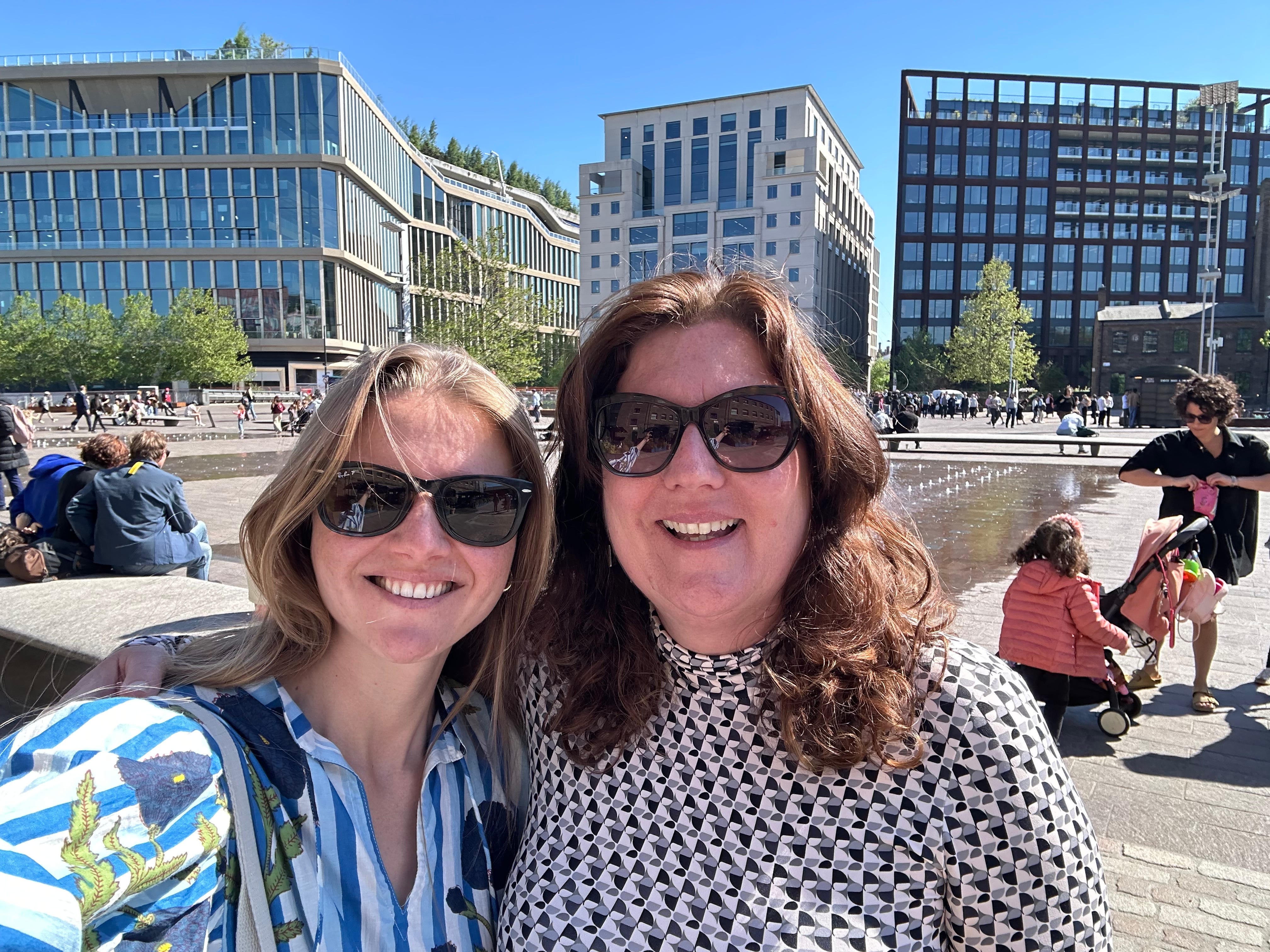
We hope you’ll join us for the start of this next chapter!
On Thursday the 28th of May, we’re hosting an OPENING NIGHT. This will be a big, fun, Thursday night introduction to THE COACHING CLUB.
After that we’ll host smaller sessions (14 people max) on the first Tuesday of each month. You can find all upcoming events here:
As the title of this piece declares, I’m hoping to create the group I wish already existed…which I think is how all the best groups start.
Some additional notes:
Jude is an experienced NLP (Neuro Linguistic Programming) Master Practitioner and utilises NLP tools and techniques when she coaches. She offers 1:1 sessions, with the first Introductory Session completely free with no obligations - www.judewattscoaching.co.uk
I have recently started coaching training and I’m loving it. It is a new territory, but there are lots of similarities with areas I’ve explored before. It just feels a little sunnier. While in training, I’m offering free and low cost sessions (first three free, after that £15). A few community members have already signed up to help me get the hours in. If you’re interested, you can read more and sign up here:
Thank you for reading :-)
If you have ideas, suggestions, or thoughts you’d like to share, please do so in the comments or by sending me a message directly.
And if you enjoy these updates and events, please consider passing this newsletter on to someone else and spreading the word.
I hope to see you at a meetup soon!
Bonny
One of the effects of peer support that I value the most is reciprocity. By showing up to a peer support space and listening to other people, you are ‘helping’. And by being listened to by the group, you are ‘helped’. It is a two-way process and both parts feel good: it feels good to be helped, but it also feels good to help. This dynamic is quite unusual, especially in mainstream services where it is usually one-way between professionals (the helpers) and their patients (the helped).